
Parent Corner

-
If you have concerns regarding your child’s hearing or vision development, we can provide an age appropriate screening at no cost or refer you to a local agency that can also provide a screening at no cost.
-
We provide referrals to different educational programs available for your child’s needs. Learn more about local programs below:
-
We provide referrals to local healthcare programs if further evaluation is needed for your child’s hearing or vision development or if a hearing or vision concern has been identified. Learn more about local healthcare programs below:
ABC Children's Eye Specialists
-
We provide referrals to local agencies that provide social services or supplemental resources Learn more about local community resources below:
-
We provide educational workshops for parents to have the opportunity to engage with others and learn more about children’s hearing and vision health and development.
What to expect during your child’s vision screening
Visual Inspection
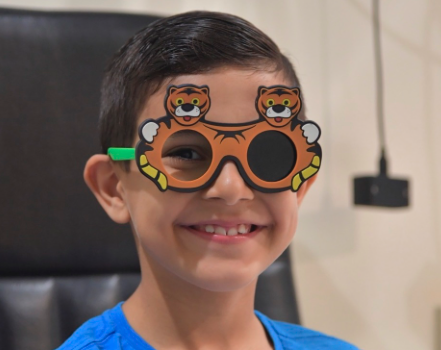
A visual inspection will be completed of your child’s eyes followed by the completion of an evidenced based, age appropriate vision screening method used to assess the function of your child’s eyes in order to determine if there is a vision concern in the right or left eye. If a concern is identified, further evaluation will be recommended.

Optotypes (Vision Charts)
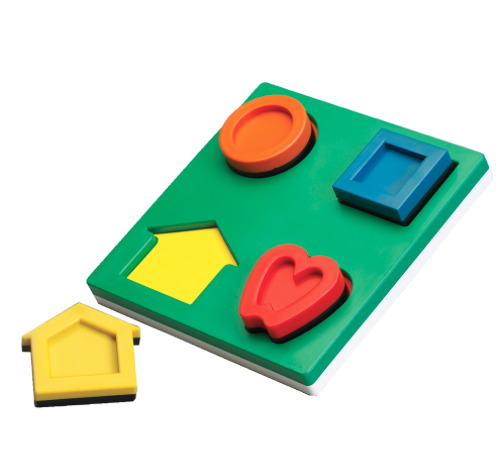
The Optotypes screening method consists of standardized charts that are used to identify concerns with your child’s acuity or ability to see clearly up close or at a specified distance. Your child is taught to identify symbols or letters verbally or through a simple matching task. This screening method is recommended for children over the age of three.
Instrument Based Screening
The instrument based screening method consists of photo screeners or auto-refractors that provide a standard measurement to identify concerns with your child’s eyes. This screening method is recommended for children under the age of three or children who are not able to provide a reliable response to optotype screening.
What to expect during your child’s hearing screening
Visual Inspection
A visual inspection will be completed of your child’s ears followed by the completion of an evidenced based, age appropriate hearing screening method used to assess the function of your child’s ears in order to determine if there is a concern in the right or left ear. If a concern is identified, further evaluation will be recommended.
Pure Tone Audiometry
Otoacostic Emissions (OAE)
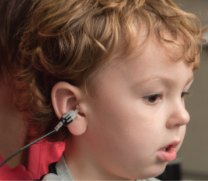
The Otoacoustic Emissions screening method consists of sounds that can be measured with a small probe inserted into the ear canal. This screening method is recommended for children under the age of three or children who are not able to provide a reliable response to Pure Tone Audiometry screening.
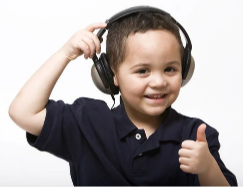
The Pure Tone Audiometry screening method consists of sounds that are presented through headphones placed over your child’s ears. Your child is taught to respond to the sounds by raising their hand or demonstrating other simple tasks in response to the series of tones that are presented to each ear. This screening method is recommended for children over the age of three.
Parent Resources
FREE Hearing and Vision Screenings for children
(0-5yrs)
Community Connections
AZ Division of
Early Childhood Events